
On this page, we guide the young seekers by helping them by guiding “how to understand” the mantras, the deities, and the whole of the Vedas.
Socio-Economic Traditions
The Vedic tradition is vast, and its first encounter can be both fascinating and bewildering. The Beginner’s Guide is intended for those who wish to begin studying the Vedas but may not know where to begin, how to approach a mantra, or how to understand the complex relationship between Vedic language, ritual, symbolism, and philosophy. This section is concerned not merely with explaining what the Vedas contain, but with asking a more fundamental question: how should one understand them?
A Vedic mantra is rarely exhausted by a single translation. Its words operate within linguistic, ritual, poetic, cosmological, and philosophical contexts. The deities invoked in the Ṛgveda hymns, for instance, cannot always be understood simply as mythological figures. Agni, Indra, Soma, Uṣas, Vāyu, Varuṇa, and others occupy complex positions within the Vedic imagination, and understanding their significance requires attention to the language and worldview in which they appear. The Beginner’s Guide will therefore introduce visitors to the fundamental principles required for approaching Vedic texts. It will explain important concepts, introduce methods of reading, clarify terminology, and offer pathways for understanding mantras and deities within their larger contexts. It will also draw attention to the interpretive traditions that have shaped the understanding of Vedic literature across centuries.
Vedic Elements in the Arthashastra
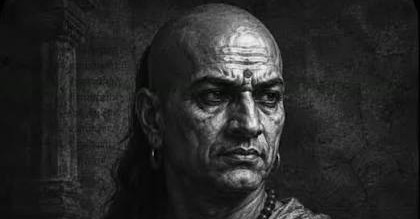
Vedic Elements in Kauṭilya’s Arthaśāstra
Vedic Elements in Kauṭilya’s Arthaśāstra
Read More
Vedic Foundation of Indian Economic Thought
Vedic Foundation of Indian Economic Thought
Read MoreVedic Elements in the Nitishastra
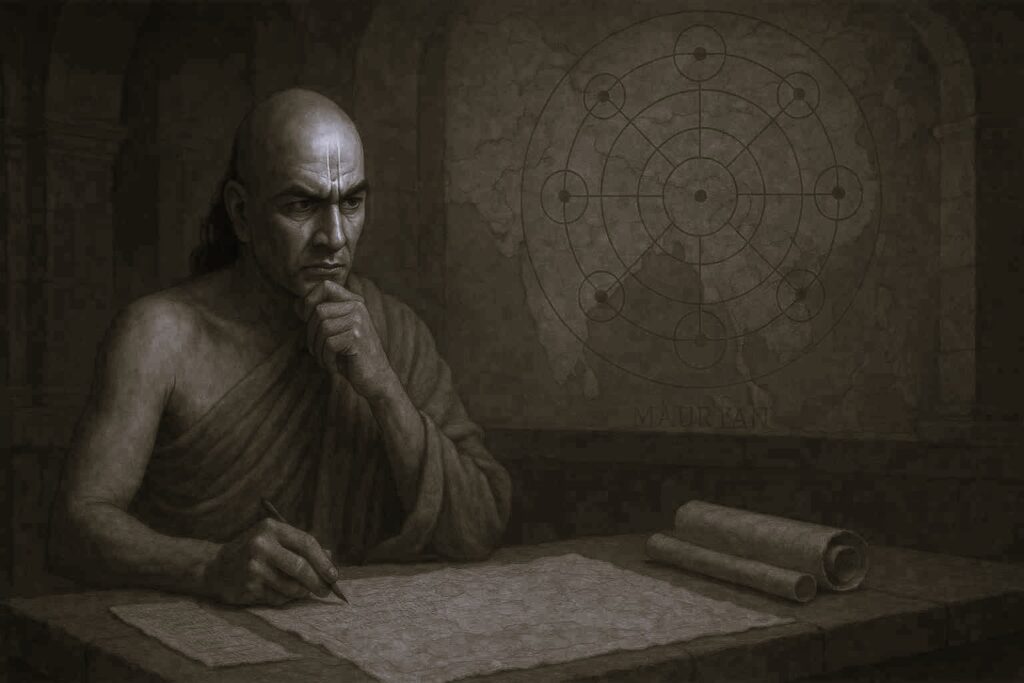
Vedic Foundation of the Nītiśāstra: Indic Governance Ideas
Vedic Foundation of the Nītiśāstra: Indic Governance Ideas
Read More
What Is Dharmaśāstra? From Veda to the Sources of Dharma
What Is Dharmaśāstra? From Veda to the Sources of Dharma
Read MoreVedic Elements in the Smriti Shastras
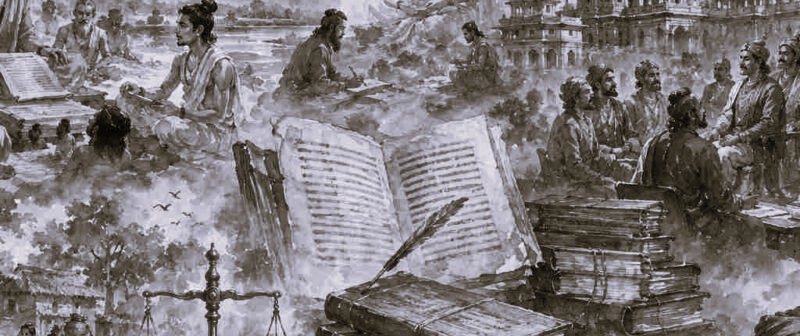
The Dharmaśāstra Tradition: The Nibandhas and Digests
The Dharmaśāstra Tradition: The Nibandhas and Digests
Read More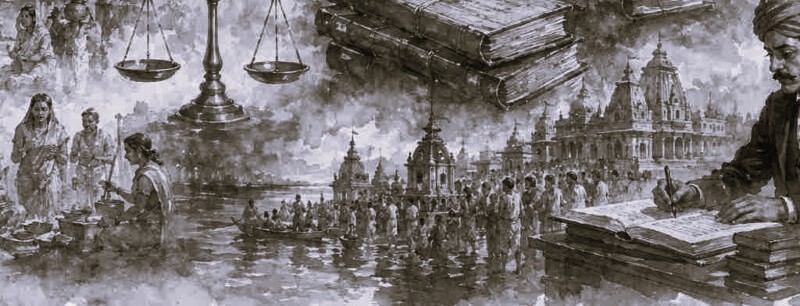
The Dharmaśāstra Tradition: The Commentarial Age
