
We try to understand consciousness from the Vedic perspectives while keeping modern scientific studies on the subject.
Consciousness Studies
The Consciousness section investigates one of the most profound questions shared by ancient Indian thought and contemporary intellectual inquiry: what is consciousness? Vedic and post-Vedic traditions contain a rich and varied engagement with consciousness, awareness, selfhood, perception, knowledge, and the nature of reality. The question develops in distinctive ways across the Upaniṣads, Vedānta, Yoga, Sāṃkhya, Tantra, and other Indian philosophical traditions. Concepts such as ātman, brahman, prajñā, cit, vijñāna, and puruṣa provide different conceptual frameworks through which Indian thinkers have attempted to understand the relation between the experiencer, experience, mind, body, and ultimate reality.
The Consciousness section seeks to place these perspectives in conversation with contemporary scientific and philosophical studies of consciousness. Developments in neuroscience, cognitive science, psychology, philosophy of mind, artificial intelligence, and related disciplines have generated new questions concerning subjective experience, perception, cognition, self-awareness, and the nature of mind. At the same time, the scientific study of consciousness raises philosophical questions that cannot always be answered through empirical observation alone.
Consciousness Studies
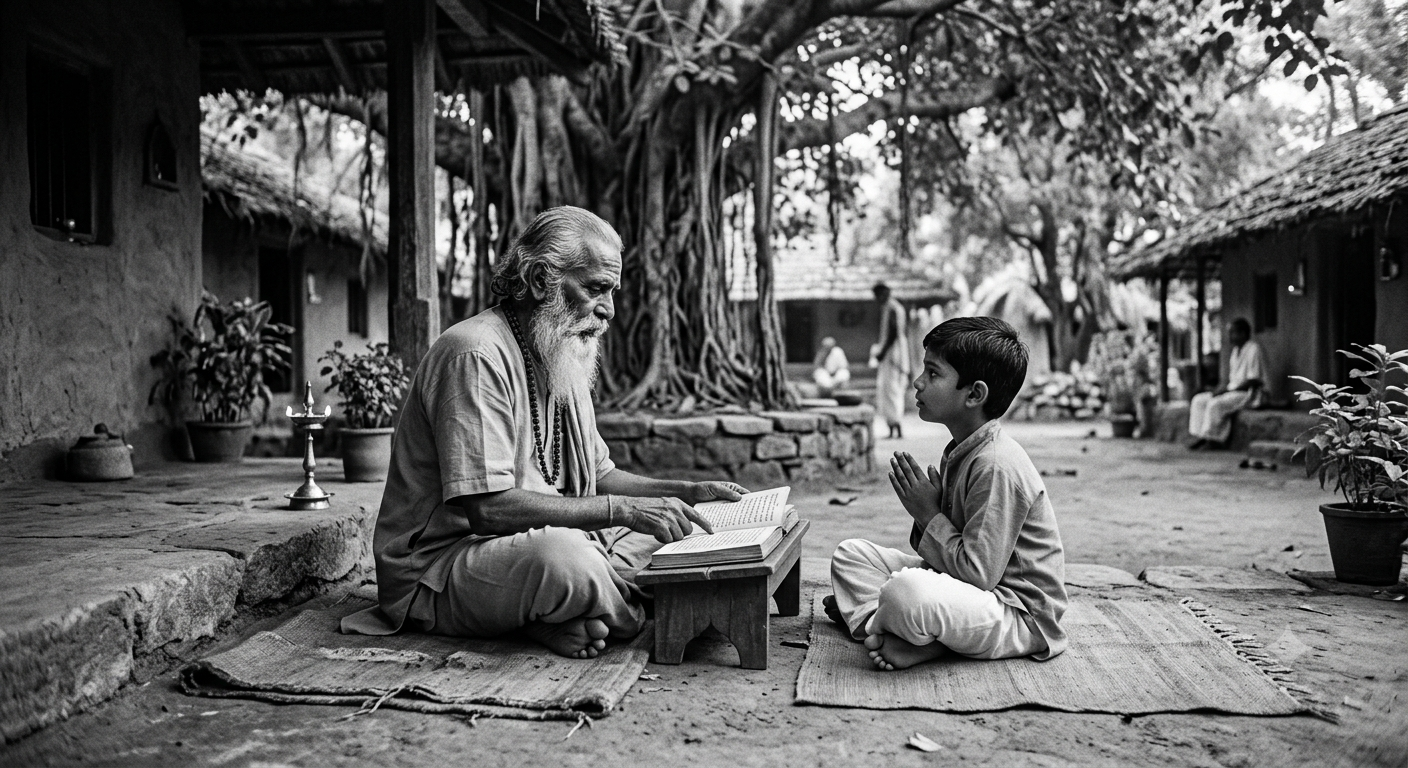
Upaniṣad and the Self
The Upaniṣads, the concluding texts of the Vedas, are replete with consciousness and its understanding.
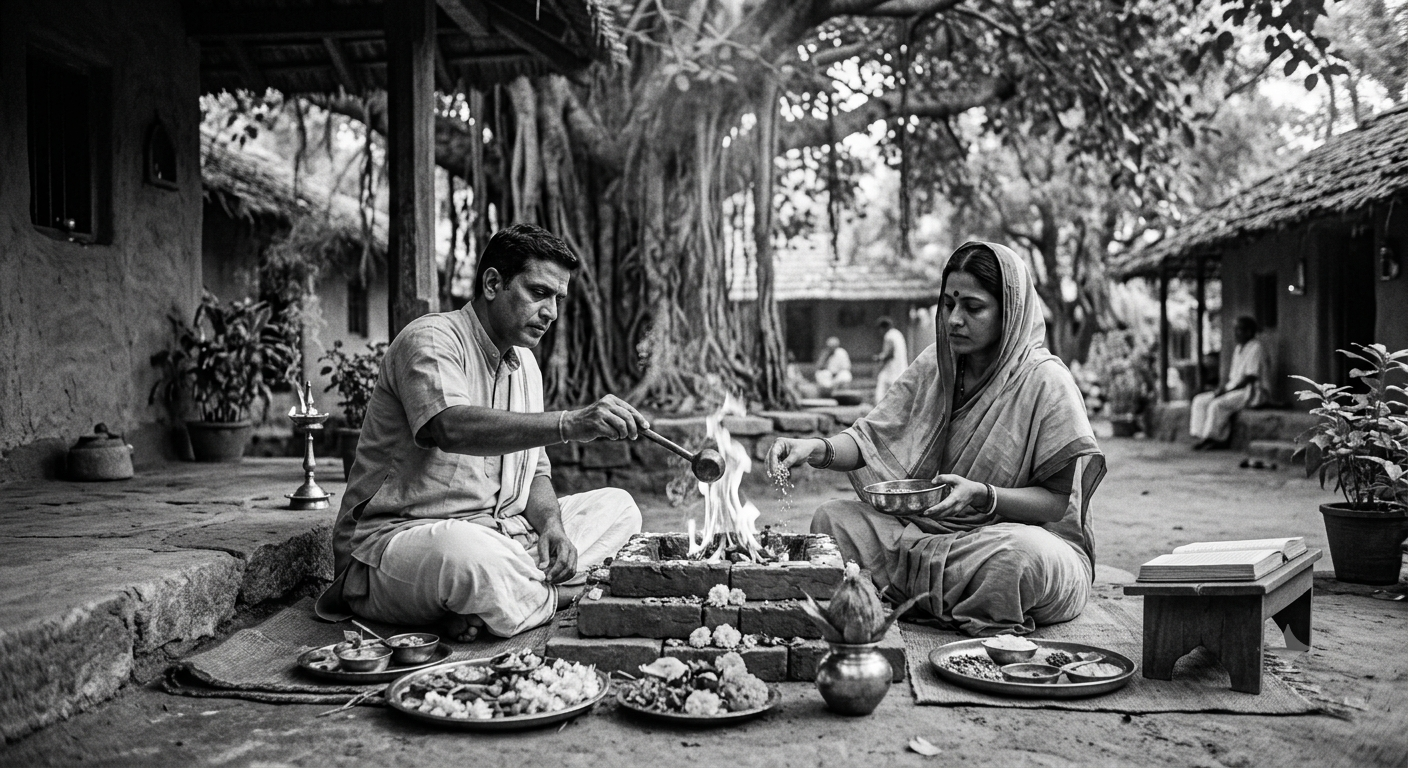
Indic Ideas of Consciousness
Apart from the Upaniṣads, the Vedic civilization has produced innumerable texts on consciousness. Here, we explain them.
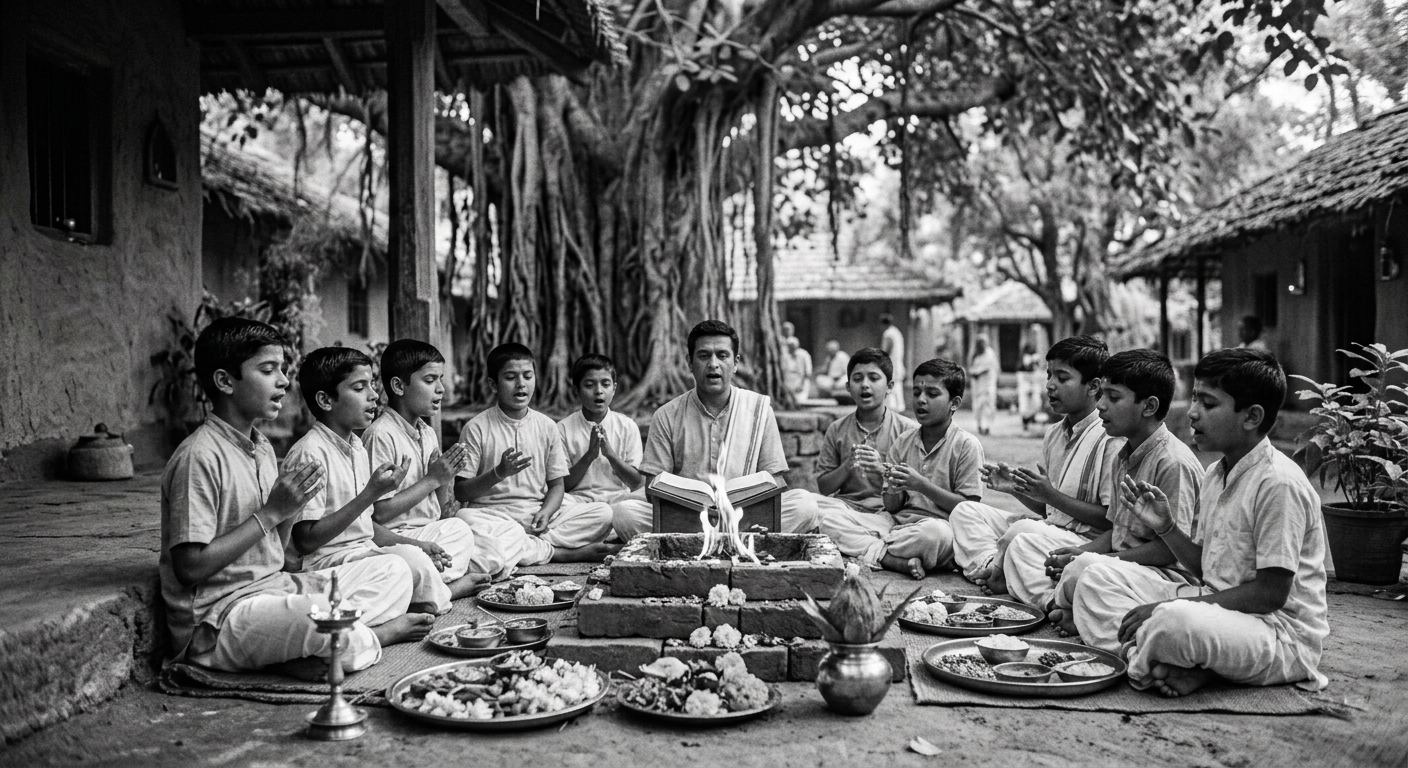
Modern Ideas
This section serves as the bridge between the ancient and the modern (viz. the Western and the Indic) understanding of consciousness.